music choral students singing on stage

Music (B.M.)

Developing future leaders in music industry fields. This program provides a music-intensive education for students pursuing careers in performance, music business, or music technology.

Degrees & Offerings
  • B.M.
Location
  • Bloomsburg
  • Mansfield
Department
College
Program Contact
Chair of the Department of Music, Theatre and Dance / Associate Professor
Co-Assistant Chair / Professor
Illustration of Mountain

Students at Commonwealth University study with distinguished faculty who are eager to help you achieve your performance and educational goals.

The department features numerous large and small performing ensembles, including orchestra, bands, choirs, and chamber ensembles. Our graduates are regularly accepted into the finest graduate programs in music, are active as performers throughout the United States, and include some of the finest music educators in the northeast.

The Commonwealth University Music Department offers everything an aspiring musician needs to succeed.

Course Delivery Format

  Bloomsburg

  Face-to-Face
  Online
  Hybrid

  Lock Haven

  Face-to-Face
  Online
  Hybrid

  Mansfield

  Face-to-Face
  Online
  Hybrid

  Clearfield

  Face-to-Face
  Online
  Hybrid

Courses and Curriculum

The Bachelor of Music in Music Performance program focuses on the development of technique, ensemble dynamics, and knowledge of repertoire. Our students learn from faculty who are known for their musicianship throughout the region, the country, and the world. They have made a professional commitment to the art of music and have spent their lives in the constant pursuit of musical excellence. Will you?

Our graduates' career options are as diverse as their talents and performance areas. They perform, conduct, and direct in a variety of specialty areas. Many have earned recognition for their work with different bands, orchestras, choirs, groups, and dance companies.

All music majors complete coursework in music theory and aural skills, music history (including the study of music from a variety of cultures), class piano, music ensembles, and applied study on a primary instrument or voice. Music performance majors choose either the instrumental or vocal concentration, which determines areas of emphasis with regards to applied music study, required participation in ensembles, and music literature and pedagogy coursework. Music performance majors take extended-length applied music lessons and spend additional time in music ensembles. They also take coursework in music literature, pedagogy related to their instrument or voice, music technology, and professional entrepreneurship.  

Many students pursuing this degree program aspire to future graduate study and eventual careers as professional performers. As with many of the degrees offered at liberal arts institutions, this degree program can be appealing to students whose future job titles may not align with the degree name. This degree can be valuable to students working towards completion of a bachelor’s degree with an emphasis in performance skills, who may be planning future vocations in other music-related fields, or vocations unrelated to music.

Degree Requirements Degree Works

Note: Degree requirements effective for enrolled students beginning Fall 2023. All enrolled students, including matriculating students prior to Fall 2023, can review their degree program requirements and track progress to degree completion with our degree audit and advisement tool, Degree Works.

The Bachelor of Music in Music Performance program focuses on the development of technique, ensemble dynamics, and knowledge of repertoire. Our students learn from faculty who are known for their musicianship throughout the region, the country, and the world. They have made a professional commitment to the art of music and have spent their lives in the constant pursuit of musical excellence. Will you?

Our graduates' career options are as diverse as their talents and performance areas. They perform, conduct, and direct in a variety of specialty areas. Many have earned recognition for their work with different bands, orchestras, choirs, groups, and dance companies.

All music majors complete coursework in music theory and aural skills, music history (including the study of music from a variety of cultures), class piano, music ensembles, and applied study on a primary instrument or voice. Music performance majors choose either the instrumental or vocal concentration, which determines areas of emphasis with regards to applied music study, required participation in ensembles, and music literature and pedagogy coursework. Music performance majors take extended-length applied music lessons and spend additional time in music ensembles. They also take coursework in music literature, pedagogy related to their instrument or voice, music technology, and professional entrepreneurship.  

Many students pursuing this degree program aspire to future graduate study and eventual careers as professional performers. As with many of the degrees offered at liberal arts institutions, this degree program can be appealing to students whose future job titles may not align with the degree name. This degree can be valuable to students working towards completion of a bachelor’s degree with an emphasis in performance skills, who may be planning future vocations in other music-related fields, or vocations unrelated to music.

Degree Requirements Degree Works

Note: Degree requirements effective for enrolled students beginning Fall 2023. All enrolled students, including matriculating students prior to Fall 2023, can review their degree program requirements and track progress to degree completion with our degree audit and advisement tool, Degree Works.

The Bachelor of Music with a concentration in Music Technology program provides musical training and preparation for the rapidly changing music industry. Students take courses in studio production and assume a lead role in the production of arts and entertainment for various departments and organizations. Gain hands-on experience in recording, media production, live sound, broadcasting, promotions, management, and much more. Music technology majors also complete 24 credits in music technology and industry courses, including topics in recording techniques, electronic music, live sound reinforcement, film music production, and music business. The degree culminates in a 3- to 12- credit internship in a music technology-related field. 

All music majors complete coursework in music theory and aural skills, music history (including the study of music from a variety of cultures), class piano, music ensembles, and applied study on a primary instrument or voice. The Bachelor of Music with Emphasis in Music Technology combines professional studies in music with coursework in general music technology, recording, studio production techniques, live sound reinforcement, and a 3-credit (120 hours) internship in a music technology area in the student’s area of interest. Additional coursework is drawn from the computer science, graphic design, and media programs in order to develop the student’s basic understanding of mass media and relevant computer technologies. The 24-credit music technology component gives students an overview of technology, recording, live-sound reinforcement, and studio technique principles. The internship is normally done during the final semester, or summer, after all other music technology course work has been completed. 

Degree Requirements Degree Works

Note: Degree requirements effective for enrolled students beginning Fall 2023. All enrolled students, including matriculating students prior to Fall 2023, can review their degree program requirements and track progress to degree completion with our degree audit and advisement tool, Degree Works.

The Bachelor of Music with Elective Studies in Business program allows students to combine professional studies and music-related business coursework. Music Business students complete the music curriculum for all Music degrees, including theory, music history, keyboard skills, ensemble participation, and instrumental or vocal private lessons. The program culminates in a 14-week internship in a music industry area of the student's interest or intended employment.

Our graduates enjoy successful careers as manufacturers, artist and talent representatives, media promotors, publicity administrators, marketing booking agents, product managers, business managers, and more. They hold a variety of positions in radio, television, and motion-picture industries.

All music majors complete coursework in music theory and aural skills, music history (including the study of music from a variety of cultures), class piano, music ensembles, and applied study on primary and secondary instruments, including voice. Music business majors also complete 12 credits in music technology & industry courses, including a survey of music business topics, entrepreneurship, and arts management & administration. Music business majors also declare an 18-credit business minor offered through the Ziegler College of Business. A wide array of minors are available, including those in management, marketing, and entrepreneurship & small business. The degree culminates in a 3- to 12- credit internship in a music industry-related field.

Degree Requirements Degree Works

Note: Degree requirements effective for enrolled students beginning Fall 2023. All enrolled students, including matriculating students prior to Fall 2023, can review their degree program requirements and track progress to degree completion with our degree audit and advisement tool, Degree Works.

Upon successful completion of this program, students will be able to:

  1. Primary Instrument/Voice: Perform effectively and musically in their primary performance area.
  2. Reading: Students will demonstrate fluency in reading music notation.  
  3. Harmonic Analysis (Year 1 and Year 2): Utilize analytic techniques to effectively describe the large and small-scale structures of music in such a way as to reveal relevant and important information about the score.
  4. History: Demonstrate an understanding of the development of western music, effectively describing the use of musical elements and expressive devices using advanced technical vocabulary.
  5. Ensembles: Demonstrate effective musicianship and constructive ensemble collaboration within group performance settings.
  6. Composition (Year 1 and 2): Compose effective musical works that demonstrate an understanding of basic musical elements, including notation, form and harmonic coherence.
  7. Aural Skills (Year 1 and 2): Demonstrate their proficiency in aural skills.
  8. Writing: Communicate effectively in written form.
  9. Piano: Demonstrate their proficiency on the piano/keyboard. 

Music B.M. – Music Education

Upon successful completion of this program, students will be able to:

  1. Professional Evaluation: Demonstrate a professional disposition necessary to function as an effective professional music teacher.
  2. Conducting: Demonstrate basic conducting skills in a variety of classroom and ensemble settings.
  3. Secondary Instrument/Vocal Proficiency: Demonstrate proficiency on secondary instruments (or voice).
  4. Planning and Preparation: Plan and prepare effective music instruction leading to student learning.
  5. Teaching Ability: Deliver effective and appropriate music instruction leading to student learning. 

Music B.M. – Performance

Upon successful completion of this program, students will be able to:

  1. Performance ability: Demonstrate a level of performance that is professionally recognized as acceptable for entrance into post baccalaureate programs.
  2. Pedagogy: Demonstrate an understanding of a variety of pedagogical techniques in their major applied area.
  3. Recital: Successfully perform a culminating senior recital, demonstrating appropriate understanding of varied repertoire in their primary instrument or voice. 

Music Business Majors

  • Music Business Industry Experience: Students will demonstrate a direct working experience with a music-related business through intern supervisor comments and final portfolio artifacts that exhibits the students successful creative and productive work.  
  • Business Electives: Students will demonstrate expertise in at least one area of the music industry, including but not limited to music business administration, management, or marketing.
  • Music Industry Knowledge: Students will effectively communicate and evaluate critical and current issues involved with the music industry.  

Music Technology Majors

  • Music Technology Functions: Students will discuss and evaluate the scope, integrative nature, and various functions of music technology, including acquaintance with various applications and equipment used in the field of music technology and the connections between music technology and the broader fields of music, technology, and culture.    
  • Music Technology Application: Students will discuss, evaluate, and use various terminologies, principles, and procedures in music technology, as well as their combinations, as employed in and associated with the work of music technology. This includes, but is not limited to, their respective vocabularies of practice, ways work is conceptualized, developed, synthesized, and finalized, and phases of production, presentation, and/or distribution.  
  • Music Technology Creation: Students will create works/processes of music technology and solve problems related to their creation.    
  • Music Technology Professionalism: Students will use and master industry standard technologies at a professional level to achieve goals and objectives associated with specific areas of music technology. 

The Commonwealth University of PA (CU) Department of Music, Theatre & Dance provides an environment that promotes academic, artistic, and personal growth as well as intellectual, professional, ethical, and aesthetic values across campuses in Bloomsburg, Lock Haven, and Mansfield. The department serves the regional, national, and international communities by developing human and material resources. The department is committed to stimulating a continuous pursuit of knowledge, understanding, and skills by students and faculty.

Commonwealth University

Music

Illustration of Mountain

Auditions

Passionate and talented musicians are invited to audition for a place in our esteemed music programs.

We are excited to hear from talented musicians like you! Auditions are a vital part of our application process for incoming music students. A successful audition showcases your musical skills and helps us determine your fit within our vibrant music community.

Learn more about Music Program Auditions

Spend-A-Day

Any high school junior and senior who wishes to be a music major, music minor, or just wants to continue to be involved in music during college, Spend-A-Day is a great way to imagine your future in the CU Music program!

Spend-A-Day gives you a first-hand experience in the exciting world of music at CU-Mansfield. Meet current students and faculty, attend classes and rehearsals, and get a feel for what CU-Mansfield Music has to offer.

Learn more about Spend-A-Day at CU-Mansfield

Spend-A-Day gives you a first-hand experience in the exciting world of music at CU-Bloomsburg. Meet current students and faculty, attend classes and rehearsals, and get a feel for what CU-Bloomsburg Music has to offer. 

Learn more about Spend-A-Day at CU-Bloomsburg

Scholarships

We understand the importance of financial aid in pursuing your passion for music and are proud to offer a variety of scholarships to talented and dedicated music students.

We encourage you to visit our scholarship webpage for detailed information on available scholarships and eligibility requirements.

Learn more about Music Scholarships

Facilities

Music facilities at Commonwealth University - Bloomsburg and Mansfield provide the perfect space to practice, collaborate, and perform, empowering you to reach your full musical potential.

Explore our music facilities and resources available to support your academic and musical success.

Learn more about Music, Theatre and Dance Facilities

Illustration of Mountain

Practical Learning

Internships

Music business students complete a 3-credit (120 hour) internship near the end of their studies.  Students choose to intern in a music industry-related field that might align with their career goals – marketing, arts management, business administration, production, publishing, and contract/copyright law are all just examples of the wide array of possible internship fields where students can apply the skills and knowledge learned in the classroom. 

Music technology students are given ample opportunities to apply classroom learning in practical experience. Degree requirements include assignments in classes and laboratories (three semesters of Audio Recording Lab) that usually lead to products worthy of inclusion in the student’s professional portfolio. The internship, completed towards the end of the degree, allows students to apply knowledge and skills learned throughout the program in professional settings in the music industry. Students in this degree program are also regularly presented with opportunities to apply their recording and live-sound reinforcement skills in conjunction with a wide variety of university and professional performances held on campus. 

Field Experiences

Music education majors choose either the instrumental or vocal concentration, which determine areas of emphasis with regards to applied music study, required participation in ensembles, instrument techniques, advanced conducting, and performance-based teaching methods coursework. Music education majors also complete coursework in orchestration, general psychology, child or adolescent development, and teaching methods for a variety of PreK-12 musical settings, including methods for teaching students with a variety of cognitive, physical, emotional, and cultural exceptionalities. In all teaching techniques and methods settings, emphasis is placed on providing students with ample opportunities to observe experienced teachers in field settings, and provide practice teaching experiences in appropriate settings. Additionally, music education majors complete a series of pre-professional observation requirements that account for 40+ hours of pre-student teaching classroom observation. The degree culminates with a semester of student teaching in two seven-week placements, one at the elementary level, the other at the secondary level. 

High Impact Experiences

Music performance students take 60-minute weekly private lessons with specialists in their instrument or voice family, and spend ample time in required large and small ensembles.  Music performance students perform a half recital in their junior year and a full recital in the senior year. 

The Music Difference

Discover the transformative power of music this summer with Commonwealth University's immersive academic camps.
Accreditation
Music programs at Commonwealth University are accredited by the National Association of Schools of Music.

Careers

Preparing musicians for future graduate study and a wide array of music- and non-music-related career fields.

Potential Job Opportunities

  • audio technicians
  • boom operators
  • directors
  • music video producers
  • recording engineers
  • mixers
  • sound engineers
  • sound technicians
  • stage managers
  • music directors
  • program directors
  • performance promoters
  • copyright and clearance administrators
  • composers
  • K-12 public school teacher
  • K-12 private school teacher

Music Performances

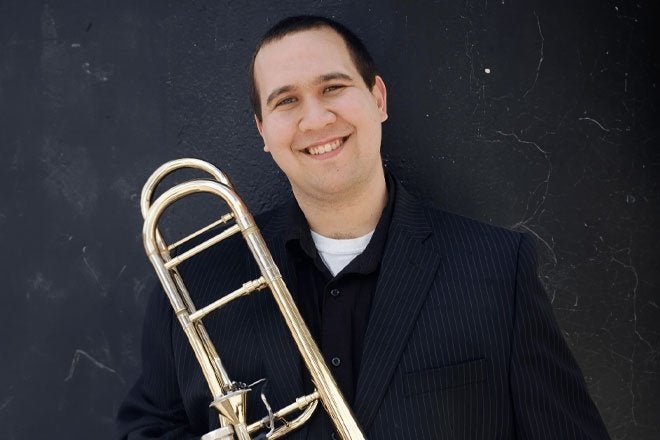
Louis Setzer smiling at the camera.

The music department gave me the chance to pursue my dream. In high school, music was more of a hobby than a career path. I'd never had as much as a trombone lesson until my first week at Mansfield, and I certainly didn't realize how competitive the process was to become a music education major. There were definitely some growing pains adjusting to the demands of my new musical pursuit. But I was invested in my musical pursuit, and Mansfield, I learned, was invested in me. As an education major, I learned the value of hard work, which has helped me succeed in both the classroom and the practice room. As I matured both musically and as a young adult, I grew from the incredible faculty that constantly guided me down the right path.

Louis Setzer '11
Music Education
Louis Setzer smiling at the camera.

Program Contacts

Nathan Rinnert

Nathan Rinnert

  • Co-Assistant Chair / Music Education Coordinator - Mansfield, Professor
  • Mansfield
260x300-Amelia-Garbisch

Amelia Garbisch

  • Music Education Coordinator - Bloomsburg, Assistant Professor
  • Bloomsburg
David Tedford

David Tedford

  • Chair of the Department of Music, Theatre and Dance / Associate Professor
  • Bloomsburg

Applying to This Program

Apply

  • Application Process

    Review the step-by-step process whether you're a first-year student, transferring to CU, or more.

  • Apply Now

    By starting your application, you gain access to your personalized application portal to view your progress.

  • Scholarships

    As the largest comprehensive university in north central and northeastern Pennsylvania, CommonwealthU works hard to provide a world-class education that consistently rates among the best values in the nation.

Explore More