
College Planning
Start Exploring Your Future at Commonwealth University.
You don’t need to have everything figured out right now. College is about discovering your interests, exploring new opportunities, and finding the path that fits you best. Whether you’re a high school junior, sophomore, or even a freshman, now is a great time to start exploring your options.
At Commonwealth University, you’ll find strong academic programs, dedicated faculty, and hands-on learning opportunities, as well as the support and experiences to help you succeed in college and beyond.
Visit. Explore. Imagine yourself here. — Your future starts at Commonwealth.
Preparing for College Starts Now
Starting your college search now can make senior year less stressful and give you more time to explore your options.
Discover What Fits You Early
As you start exploring college, think about what matters most to you and what might make a school feel like the right fit. Maybe you’re looking for suite‑style housing, smaller class sizes, NCAA athletics, a strong visual and performing arts scene, hands‑on academic programs, or a campus close to home.
At Commonwealth University of Pennsylvania, you can choose the college experience that fits you best. With three unique campuses, Commonwealth U offers different environments, opportunities, and campus communities so you can find the place where you’ll feel comfortable, supported, and ready to succeed.
Plan Ahead for Costs
Affordability matters when comparing colleges, so it’s important to look at scholarships, financial aid opportunities, and overall cost. As you start narrowing your options, creating a list of your "must-haves" can help make the college search feel more manageable and less overwhelming.
Get a Head Start on Your Future
Your high school experiences are already shaping your future career path. Starting your college search early gives you the opportunity to see how Commonwealth University can help you build on that journey with hands‑on learning, internships, research, and career‑ready preparation from day one.
Your GPA and Transcript
Your GPA and transcript play an important role in college admissions and scholarship opportunities, so continue challenging yourself and finishing each school year strong. If your school offers AP, honors, or dual enrollment courses, consider taking advantage of those opportunities to experience college-level coursework and potentially earn credits before graduating from high school.
Position Yourself for Scholarships
Scholarships aren’t just for seniors. Start paying attention to opportunities through local organizations, community groups, employers, and volunteer programs. Community service projects, leadership experiences, and involvement in school activities can all help strengthen scholarship applications. Your school counselor can also help you discover local and regional scholarships you may qualify for.
Advanced Placement (AP) Exams
We value the hard work and dedication of students who take Advanced Placement (AP) courses. We encourage school counselors to submit AP exam scores of 3 or higher via CollegeBoard.
Credit for Prior Learning
Commonwealth University offers the opportunity to earn credit for your prior work, training, and life knowledge and apply it toward your associate's or bachelor’s degree.
Transfer Credit Equivalencies
PA College Transfer enables students to easily identify courses and degrees that transfer to the participating colleges and universities.
Commonwealth U Early College Program
Students enrolled in the Early College Program at approved districts, may take up to 12 credits per semester (6 credits for the summer and winter sessions) to earn college credit while still enrolled in high school. Courses may be taken on campus, online, or through Commonwealth’s approved districts as concurrent enrollment in a secondary environment.
Dual Enrollment / Concurrent Enrollment
If you are enrolled in college-level coursework elsewhere, we require a transcript be sent to our office from the institution through which the course is taken. All transcripts should be sent electronically to transcripts@commonwealthu.edu
Applying to college can feel overwhelming, but here’s the good news: we’re not looking for “perfect” students. We’re looking for students who are ready to grow, explore new opportunities, and take the next step toward their future.
Strong Academic Effort
Your grades matter because they help tell the story of your work ethic and progress throughout high school. We want to see that you’re challenging yourself and continuing to improve over time.
That doesn’t mean you need straight A’s. Taking classes seriously, staying consistent, and finishing strong all make a difference.
Courses That Challenge You
Honors, AP, dual enrollment, and career-focused classes can help show colleges that you’re willing to push yourself academically.
Take the classes that make sense for your goals and interests — not just the ones you think “look impressive.”
Involvement Outside the Classroom
Colleges love to see students involved in activities they care about. This could include:
- Sports
- Music or theatre
- Clubs and organizations
- Volunteer work
- Jobs or internships
- Leadership opportunities
- Family responsibilities
You don’t need to do everything. Depth and commitment matter more than a long list.
Your Interests and Goals
Not everyone knows exactly what they want to study — and that’s okay. We’re looking for students who are curious, motivated, and open to exploring possibilities. We have more than 50 majors to choose from along with 100's of uncommon combinations across three distinct campus locations.

Three campuses. One Commonwealth.
Commonwealth University’s three campuses each offer a unique student experience. Get to know each campus and its local community to find the place that feels like home.



Campus Resources
Bloomsburg Campus
At Commonwealth University, we’re here to support you as you start planning for college, with resources to help you and your family explore options and prepare for what’s ahead.
Lock Haven Campus
At Commonwealth University, we’re here to support you as you start planning for college, with resources to help you and your family explore options and prepare for what’s ahead.
Mansfield Campus
At Commonwealth University, we’re here to support you as you start planning for college, with resources to help you and your family explore options and prepare for what’s ahead.
News
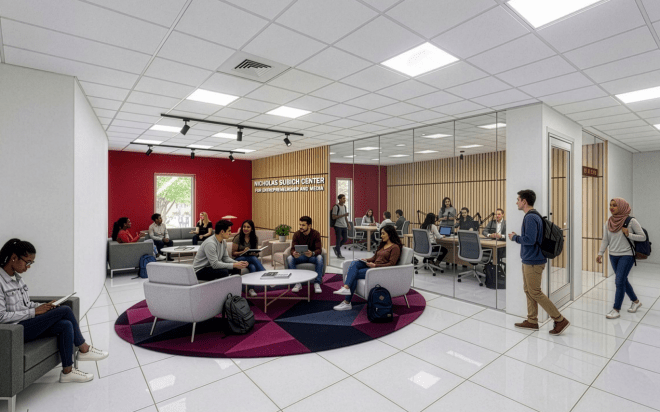
Alumnus makes $1.75M gift to establish the Nicholas Subich Center for Entrepreneurship and Media at CU-Lock Haven
Lock Haven
A bold new era of innovation, entrepreneurship and experiential learning is coming to Commonwealth University-Lock Haven thanks to a transformational $1.75 million gift from alumnus and entrepreneur...
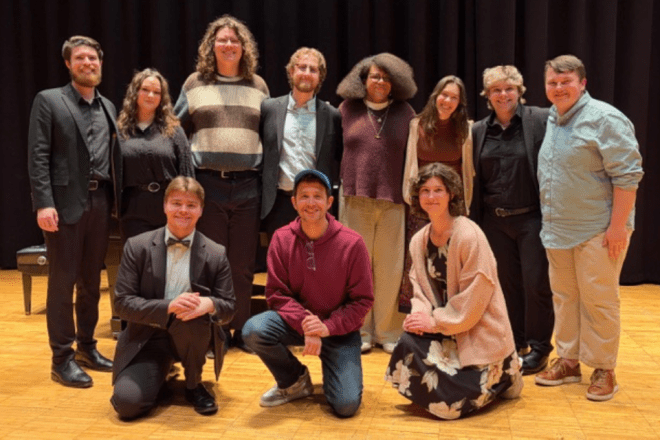
Tony Award winner visits CU-Mansfield, works with music students in master class series
Mansfield
Tony Award winner and two-time Drama Desk Award winner, Santino Fontana, visited Commonwealth University-Mansfield on May 2, to work with music students in a master class series. Fontana offered two...

McCormick Center Reimagined: A Hub for Hands-On Learning and Workforce Readiness
Bloomsburg
CU–Bloomsburg celebrated the dedication of the newly reimagined McCormick Center on Monday, Sept. 8. Students, faculty, alumni, donors, and community members gathered to highlight the building’s...
Contact Us

- Bloomsburg
- Lock Haven
- Mansfield