
Radiation Protection (Certificate)
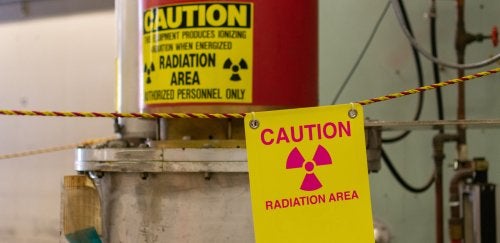
Radiation protection is a critical component of occupational safety across medical, nuclear energy, government, environmental health and safety, and waste management sectors.
- Degrees & Offerings
-
- Certificate
- Location
-
- Bloomsburg
- Lock Haven
- Mansfield
- Online
- Program Contact
-
Associate Professor of Chemistry and Physics

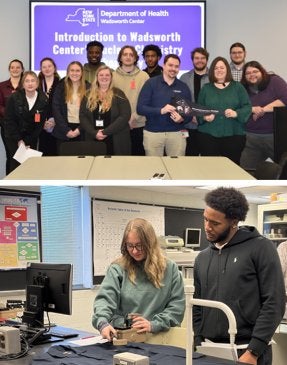
Health Physicists and Radiation Protection professionals come from a variety of backgrounds including physics, biology, environmental science, and radiologic technology. Any student can obtain this certificate, regardless of major. This certificate provides a solid foundation in health physics and radiation protection to address critical needs in research, industry, and healthcare.
Course Modality Notice
The RASC 410 laboratory course offered exclusively in-person. All other courses in the program offer flexible delivery options and may be offered in person, blended, or via remote synchronous formats, depending on student location.
Courses and Curriculum
Program Faculty
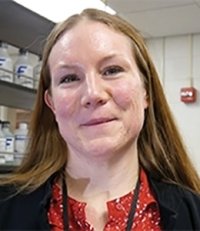
Elaine Farkas
- Associate Professor of Chemistry and Physics
- Mansfield
Applying to This Program
Apply
-
Application Process
Review our step-by-step guide to the admissions process for first-year, transfer, and other student types.
-
Apply Now
Start your application to access a personalized portal, track progress, submit materials, and manage your next steps.
-
Connect with Your Admissions Counselor
Connect with an admissions counselor to get answers, discuss requirements, and receive personalized guidance.
Explore More
-
Explore Commonwealth University
Schedule a campus visit or connect virtually to learn more about academic programs, campus life, and student resources.
-
Tuition & Cost
Review tuition, fees, and related expenses to better understand the cost of attending Commonwealth University.
-
Financial Aid & Paying for College
Learn about financial aid options, application requirements, and resources to help you plan and pay for college.