
Resources for Faculty and Staff
The Center for Global Engagement (CGE) recognizes faculty and staff as essential partners in delivering culturally enriching and academically meaningful international education experiences, both within the United States and abroad. Through close collaboration across departments, the CGE strives to offer global opportunities that enhance student learning, promote intercultural understanding, and advance the University's broader mission.
The CGE supports faculty in a variety of ways, including facilitating faculty-led study abroad programs; providing established protocols for hosting J-1 visa international visiting faculty; offering classroom presentations, on a range of international opportunities for students; and collaborating on cultural programming and related initiatives.
Faculty and staff engagement is vital to the success of these efforts, particularly faculty-led programs. The CGE is committed to serving as a resource and collaborative partner at every stage of program development, from initial concept and planning through implementation and review.
Please refer to the links below for more detailed information regarding university protocols and available resources. Should you have any questions or wish to discuss a potential initiative, please contact the CGE Director, Rosana Campbell, at cge@commonwealthu.edu.
Resources
The Center for Global Engagement (CGE) is responsible for working with faculty who are interested in establishing faculty-led study abroad programs (FLPs). These programs are short-term, credit-bearing opportunities designed to enhance and complement Commonwealth University’s existing courses. Their condensed time frame allows students to gain meaningful international experiences, particularly those who are unable to study abroad during the academic year.
Developing an FLP, even one that lasts only a week, is a lengthy process that requires early discussions with several stakeholders, including the Department Chair, Dean, Provost, and the CGE. The handbook below was created to provide faculty with the required protocols and information necessary for proposing and running a program. For more information, please contact the CGE Director at rcampbel@commonwealthu.edu.
Hosting a J-1 scholar on campus, as visiting faculty, provides a valuable opportunity to internationalize an academic unit. This process involves a sponsoring academic department at CU and the invited faculty working directly with the Center for Global Engagement (CGE) to ensure compliance with U.S. Department of State regulations. The process includes a detailed invitation letter from the academic department (or Dean), issuance of the DS-2019 form, payment of the SEVIS fee, and securing a visa appointment.
Additional requirements include in-person check-ins with CGE staff, participation in an orientation upon arrival, and submission of copies of the scholar’s passport, visa, and proof of adequate health insurance. For further information on requirements and timeline, please see the two forms below:
For visiting international faculty, scholars, and researchers to Commonwealth University:
Prospective international visiting scholars:
Please read through the forms thoroughly before completing.
As a faculty advisor, you are in a unique position to help students select a study abroad program that aligns with their academic, personal, and professional goals. Students may seek your guidance when deciding everything from their study abroad destination to the most appropriate term or program. In addition, some of your advisees may have never considered participating in an international experience. Your encouragement can inspire them to begin exploring these opportunities. Please encourage your advisee to visit the Center for Global Engagement at Bloomsburg or Lock Haven and the DEIB office at Mansfield, to pick up a Study Abroad Interest Sheet.
Once a CGE staff member receives and reviews an Interest Sheet, a meeting will be scheduled so students can learn more about the program of their choice and begin their application process. No student goes abroad without first meeting with a CGE staff.
Eligibility
As your advisees explore programs, they should take note of any courses or experiences that have associated prerequisites. Before committing to a particular program, students should ensure that they have satisfied these requirements. Students must have a GPA of 2.7 and be entering their sophomore year to be eligible to apply.
Courses Abroad and the Course Equivalency Process
Faculty members and academic advisors help students plan the courses they will take while abroad. CGE staff provide students with information about their program, including available academic courses. Students are informed that they must meet with their faculty advisor and the appropriate academic chairs to discuss course equivalencies and obtain signatures for their CU Study Abroad Course Registration and Pre-Approval Form.
Credits earned abroad
CU accepts all credits earned in a CU-sponsored study abroad program. These credits are treated as transfer coursework and are processed by the CGE staff, in conjunction with the Registrar’s Office, and in accordance with the university’s transfer credit policy.
Type of Programs
CU offers students a myriad of international opportunities, including traditional semesters, at exchange partner universities and ISEP programs, as well as faculty-led opportunities. Please visit Education Abroad for a comprehensive description of all CU global programs.
Advising Undergraduate International Students
We assist international students and scholars from a multitude of countries each academic year. All international students on F-1 and J-1 visas have to comply with US federal regulations to keep their student immigration status during their stay in the United States. We have listed common topics that may assist with advising international students. Please also feel free to reach out to the CGE staff or direct students to us with questions.
Immigration Regulations about Enrollment
- Full-Time Status: International undergraduate students on an F-1 or J-1 visa are required by federal regulations to complete a minimum of 12 credits (9 credits in person) each academic semester. The regulations allow for a few specific situations where students can receive authorization from the CGE to drop below full-time enrollment. Please advise students to contact CGE staff to discuss their situation before dropping/withdrawing from any course(s) that will result in less than full-time enrollment. If a student withdraws without prior authorization from the CGE, they will be considered out of status (loss of student immigration status). We want to help students avoid this if possible. If students do lose status, CGE can assist with reinstatement, but the process is costly, processing time is lengthy, F1 benefits are negatively impacted, and approval is not guaranteed.
- Reduced Course Load: Students are permitted, with prior CGE approval, to take a reduced course load (less than 12 credits with at least 9 credits in person) for the following reasons: academic difficulty in the first semester, medical condition, or final semester. Students must complete a Reduced Course Load Approval form and receive approval from the CGE Office.
- Online Classes: Federal regulations permit one online course per academic semester to count toward the full-time enrollment requirement (12 credits). Additional online classes can be taken, provided this minimum enrollment requirement has been met (9 in person credits).
- Summers: Unless a program requires summer classes, international students are permitted to take an annual vacation. They can travel or stay in the US without enrollment. They can also study at CU (in-person or online classes) or enroll at another institution. If summer is the final semester of study, students should meet the full-time enrollment requirement or complete a reduced course load.
- Extension of Program: When a student needs to continue in an educational program beyond the originally estimated completion date, he or she must apply for an extension at least 30 days before the expiration date on his or her Form I-20 or DS2019. Students must complete an Extension of Program form in our office.additional hours on campus.
- Off-Campus work: International students are not permitted to work off campus. Only students approved for CPT and completing an internship or co-op as part of their curriculum are allowed to do so. Otherwise, working off campus, even when school is not in session, is a violation of their student visa regulations.
Immigration Regulations about Employment
- On-Campus Work: International students may work on campus up to 20 hours per week when classes are in session. During breaks, when international students are not enrolled in classes, they may work additional hours on campus.
- Internships and Co-ops: International students are permitted to participate in internships and cooperative education (co-op) programs, whether paid or unpaid, provided that the experience is directly related to their academic program and carries academic credit. In addition, students must receive approval for Curricular Practical Training (CPT) before the internship or co-op begins.
- Working after Graduation: Students are eligible to apply for one year of work permission, Optional Practical Training (OPT), to begin following graduation and, in some cases, before graduation. OPT opportunities must be related to the student’s academic field. Please direct students to contact the CGE for additional details.
This information is provided to all students during new international student orientation and immigration workshops, so they are aware of their responsibilities. If your students have any questions, please direct them to the CGE.
Advising Graduate International Students
We also assist international graduate students from a multitude of countries each academic year. All international students on F-1 must comply with federal regulations to keep their student immigration status throughout their time in the United States. We have listed common topics that may assist with advising graduate international students. Please also feel free to reach out to the CGE staff, or direct students to us with questions.
Immigration Regulations about Enrollment
- Full-Time Status: International graduate students on an F-1 visa are required by federal regulations to take a full course load each academic semester. For most CU programs, this is defined as nine (9) credits (at least six (6) credits in person) each fall and spring. Doctoral and specialty programs with required summer terms may define full-time as nine credits (at least six (6) credits in person) every fall, spring, and summer. The federal regulations allow for a few specific situations where students can receive authorization from the CGE to drop below full-time enrollment. Please advise students to contact CGE staff to discuss their situation and to complete a Reduced Course Load form before dropping/withdrawing from any course(s) that will result in less than full-time enrollment. If a student withdraws without prior authorization from the CGE, she or he will be considered out of status (loss of student immigration status). We want to help students avoid this if possible. If students do lose status, CGE may be able to assist with reinstatement; but the process is costly, processing time is lengthy, F1 benefits are negatively impacted, and approval is not guaranteed.
- Reduced Course Load: Students are permitted, with prior CGE approval, to take a reduced course load for the following reasons: academic difficulty in the first semester, medical condition, or final semester. Students must complete a Reduced Course Load form and receive approval from the CGE.
- Online Classes: Federal regulations only permit one online course per academic semester to count toward the full-time enrollment requirements. Additional online classes can be taken, provided this minimum enrollment requirement has been met. If a class is dual-listed and international students have registered for the traditional section, they must attend the class in person.
- Taking a Semester "Off": Students must communicate with the CGE about any break in study. Only in extraordinary medical circumstances are students permitted to take a break from study while remaining in the US in F-1 status. Otherwise, international students who are not enrolling for a semester will need to communicate their plans to the CGE and depart the US until they are ready to enroll again.
- Summers: Unless a program requires summer classes, international students are permitted to take an annual vacation. They can travel or stay in the US without enrollment. They can also study at CU (in-person or online classes) or enroll at another institution. If summer is the final semester of study, it is not considered an annual vacation for immigration purposes. Students need to meet full-time enrollment requirements or complete a reduced course load.
- Extension of Program: When a student needs to continue in an educational program beyond the originally estimated completion date, they must apply for an extension at least 30 days before the expiration date on their Form I-20. Students must complete an Extension of Program form in our office.
Immigration Regulations about Employment
- On-Campus Work: International students may work on campus up to 20 hours per week when classes are in session. During breaks, when international students are not enrolled in classes, they may work additional hours on campus.
- Off-Campus work: International students are not permitted to work off campus. Only students approved for CPT and completing an internship or co-op as part of their curriculum are allowed to do so. Otherwise, working off campus, even when school is not in session, is a violation of their student visa regulations.
- Working after Graduation: Students are eligible to apply for one year of work permission, Optional Practical Training (OPT) to begin following graduation and, in some cases, before graduation. This information is provided to all students during immigration workshops, so they are aware of their responsibilities. If your students have any questions, please direct them to the CGE.

Global Engagement Team
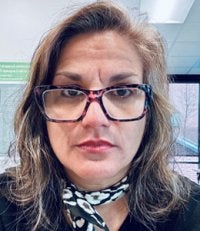
Rosana Campbell
- Director, Center for Global Engagement
- University-wide
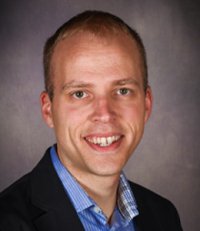
John Gradel
- Associate Director, International Student Services & International Admissions
- University-wide
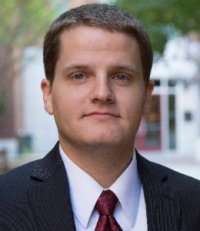
Phillip Mensch
- Associate Director, Education Abroad & J-1 Exchange Programs
- University-wide

Jennifer Lehman
- Management Tech
- Bloomsburg